Introduction: A Smoky Crisis in India’s Fields
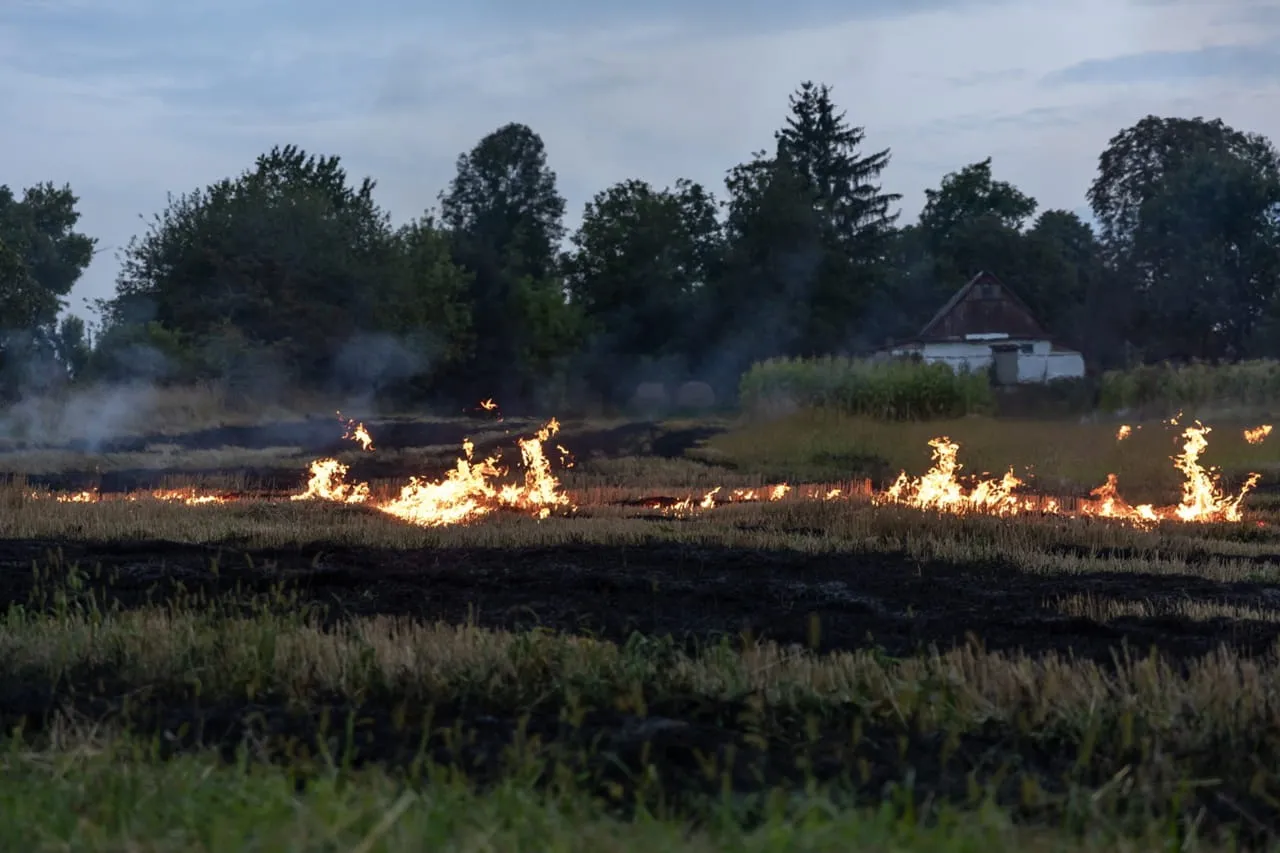
In the heart of Chhattisgarh’s fertile farmlands, where paddy fields stretch like green oceans, a seasonal haze often blankets the horizon. This isn’t morning mist—it’s smoke from stubble burning, a desperate practice farmers use to clear fields for the next crop. But what if that waste could fuel industries instead of fouling the air? At Mansha Agrofuel, we’re turning this challenge into opportunity through sustainable biomass utilization, producing eco-friendly pellets that combat pollution while powering progress. As we delve into reducing stubble burning and its broader environmental impact, you’ll see how biomass isn’t just fuel—it’s a lifeline for cleaner air and healthier soils.
[Image: Aerial view of paddy fields in Chhattisgarh with smoke from stubble burning rising in the background, contrasted with a clear blue sky over a biomass pellet production facility.]
The Hidden Toll of Stubble Burning on India’s Environment
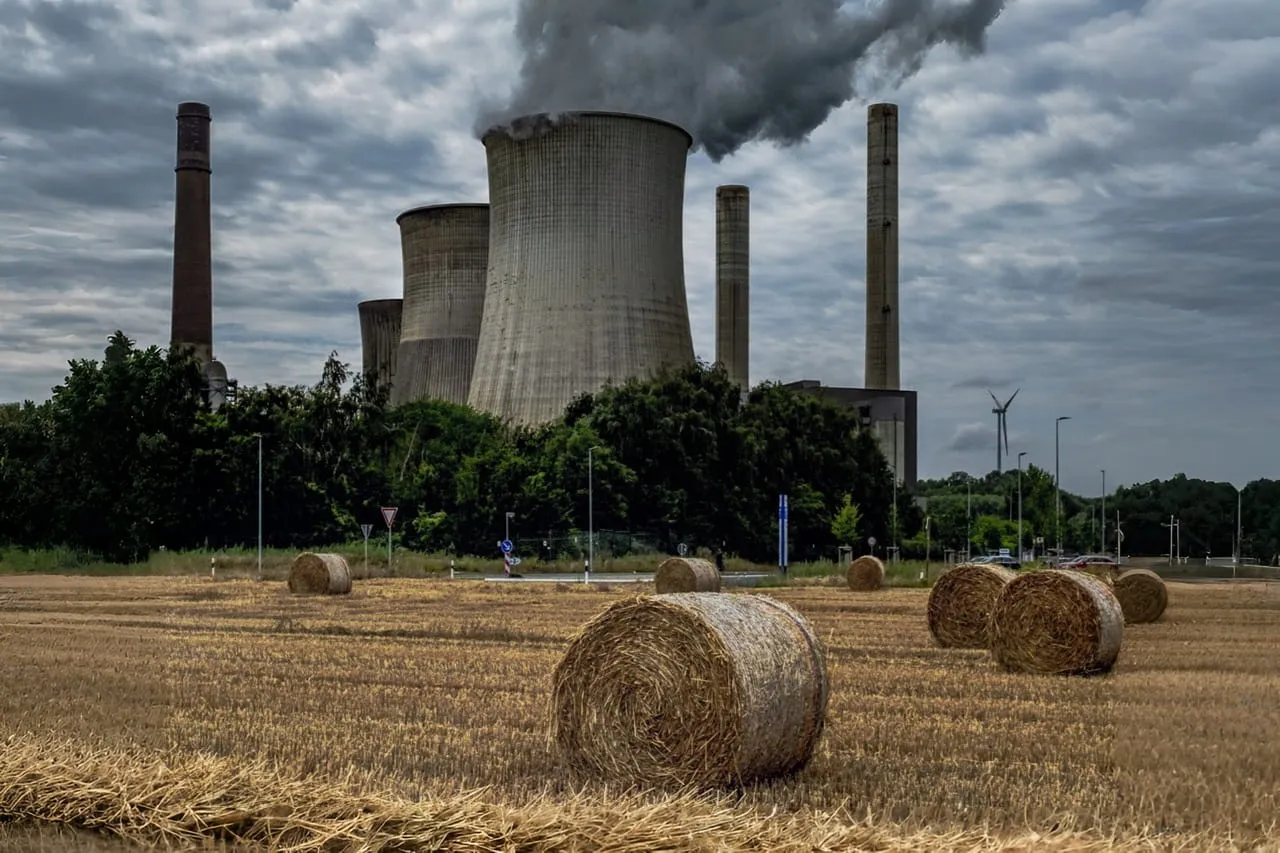
Every year, from October to November, India’s northern and central states, including Chhattisgarh, witness a surge in air pollution reduction India efforts fall short as farmers burn over 92 million tons of crop residue. According to environmental reports, this releases a cocktail of toxins—particulate matter (PM2.5), black carbon, and greenhouse gases like CO2 and methane—equivalent to emissions from 1.5 million vehicles annually. In Chhattisgarh alone, paddy straw accounts for a significant portion, contributing to Delhi’s infamous smog spill over and local health crises.
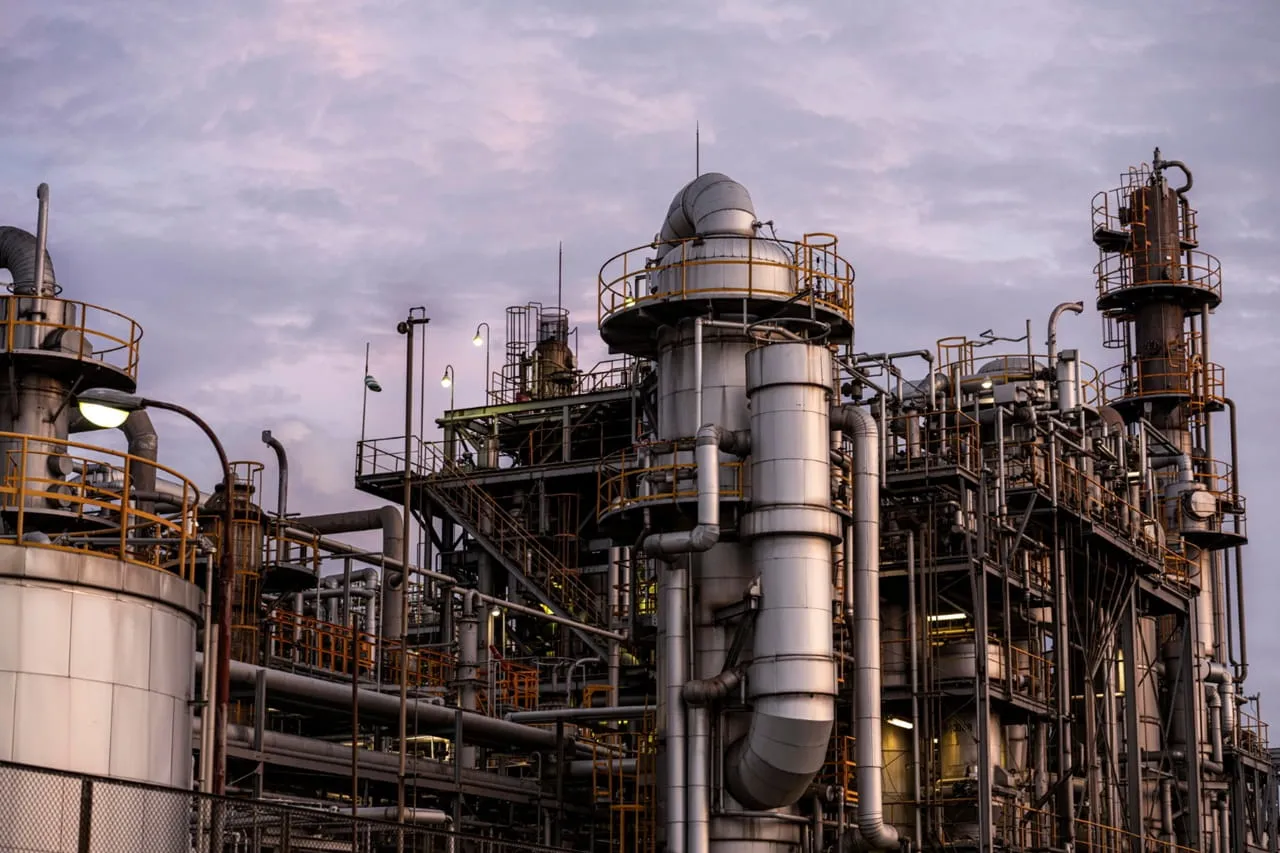
The biomass environmental impact extends beyond air. Soil health suffers as burning kills beneficial microbes and nutrients, leading to reduced fertility and higher fertilizer needs. Water bodies nearby get contaminated with ash runoff, harming aquatic life. Economically, it’s a loss: valuable organic matter turned to ash instead of asset. But here’s the turning point—sustainable biomass utilization flips the script. By compressing agricultural waste like paddy straw, rice husk, and sawdust into dense pellets, we prevent burning altogether. Mansha Agrofuel’s 3 TPH plant in Kurud, Dhamtari, processes 720 tons monthly, diverting residue that would otherwise choke the atmosphere.
Reducing stubble burning isn’t just an environmental win—it’s a practical revolution. Imagine transforming that smoky haze into efficient, low-emission fuel for industries. At Mansha Agrofuel, our eco-friendly fuel Chhattisgarh initiative shows how biomass pellets cut PM2.5 by up to 90%, fostering cleaner skies and thriving farms. (148 characters)
How Biomass Pellets Tackle Stubble Burning Head-On
Stubble burning reduction starts with collection. In Chhattisgarh, where rice production yields 10-15 quintals of straw per hectare, farmers often burn due to time constraints and lack of alternatives. Our model changes that: We procure within a 20-30 km radius at ₹1,200-1,500 per ton, providing quick payments and machinery support for baling. This not only clears fields sustainably but creates income streams—farmers earn 20-30% more from residue sales than from burning.
The magic happens at our plant. Raw biomass undergoes shredding, drying (to <10% moisture), and pelletizing under high pressure, forming uniform 6-12 mm cylinders bound by natural lignin—no chemicals needed. These pellets boast a gross calorific value (GCV) of 3,400-3,600 kcal/kg, making them ideal for eco-friendly fuel Chhattisgarh applications like industrial boilers and brick kilns.
To visualize the biomass environmental impact, consider this infographic comparison:
[Infographic Description: A side-by-side bar chart showing emissions from 1 ton of stubble burning vs. 1 ton of biomass pellets combustion. Stubble burning: CO2 (1,800 kg), PM2.5 (50 kg), SOx (10 kg). Biomass pellets: CO2 (1,200 kg, 33% less), PM2.5 (5 kg, 90% less), SOx (2 kg, 80% less). Source: Adapted from DPR data and environmental studies.]
Data from our Detailed Project Report (DPR) underscores the scale: At full capacity (300 operational days/year), we process 2,160 tons of biomass annually, equivalent to averting 1,500 tons of CO2 emissions—roughly the yearly output of 300 cars.
Broader Environmental Wins: Soil, Water, and Biodiversity
Beyond air quality, sustainable biomass utilization rejuvenates ecosystems. Traditional burning strips topsoil of organic carbon, but pelletizing recycles it as nutrient-rich ash, which farmers can return to fields as fertilizer. This closes the loop, enhancing soil microbial activity and water retention by up to 15%, per agricultural studies.
In water-scarce Chhattisgarh, our process is low-impact: Only 5-10 liters per ton for dust suppression, sourced from rainwater harvesting. Biodiversity benefits too—preventing burns protects ground-nesting birds and insects, while our procurement encourages diverse cropping to avoid monoculture risks.
Table: Key Environmental Metrics of Biomass Pellets vs. Coal
| Metric | Biomass Pellets (Mansha Agrofuel) | Coal (Standard) | Reduction Achieved |
|---|---|---|---|
| CO2 Emissions (kg/ton) | 1,200 | 2,500 | 52% |
| PM2.5 (kg/ton) | 5 | 50 | 90% |
| Ash Content (%) | 6-10 | 10-15 | 20-40% less |
| Water Usage (L/ton) | 5-10 | 20-30 | 50-67% less |
| Soil Nutrient Return | High (as ash fertilizer) | Low | N/A |
This table, derived from our plant’s operational data, highlights why industries are switching—compliance with India’s National Clean Air Programme becomes effortless.
[Image: Before-and-after scene: Left—smoky stubble fire in a field; Right—baled straw being loaded for pellet production, with clear skies.]
Mansha Agrofuel’s Role in Air Pollution Reduction India
As a Chhattisgarh-based innovator (CIN: U16299CT2025PTC018088), Mansha Agrofuel isn’t just manufacturing— we’re mitigating a regional crisis. Our Kurud plant, strategically located near rice belts, sources 80% paddy straw locally, reducing transport emissions. We’ve partnered with 50+ farmers via MOUs for year-round supply, ensuring steady operations.
Our eco-friendly fuel Chhattisgarh pellets have a bulk density of 600-750 kg/m³, enabling easy storage and transport. Early trials show 20% cost savings for boiler users over coal, with ash repurposed as organic manure. This aligns with national goals like the SATAT scheme, positioning us as a key player in stubble burning reduction.
Infographic: The Biomass Cycle
[Infographic: Circular diagram—Farm Waste (Paddy Straw) → Collection & Baling → Shredding/Drying → Pelletizing → Industrial Use → Ash Return to Soil → Healthier Crops. Arrows show zero-waste loop, with icons for reduced emissions (down arrow) and job creation (people icon).]
Challenges and Solutions in Scaling Sustainable Biomass Utilization
Scaling isn’t without hurdles. Seasonal residue availability peaks post-harvest, so we stockpile and diversify with husk/sawdust. Power outages? Backup generators ensure 99% uptime. Our DPR’s risk matrix addresses these, with insurance covering 70% of assets.
Community engagement is key: Training programs for 100+ farmers on sustainable practices, fostering trust and supply chain resilience. As air pollution reduction India gains momentum, Mansha’s model—blending profitability (IRR 20%+) with purpose—sets a benchmark.
Conclusion: Igniting Change, One Pellet at a Time
Reducing stubble burning through biomass environmental impact initiatives like ours at Mansha Agrofuel proves that sustainability and business can coexist. By harnessing Chhattisgarh’s agro-waste, we’re not just producing fuel—we’re preserving air, soil, and livelihoods. Industries, join the green shift: Our pellets deliver performance without the pollution.
Contact us at mansha.agrofuel@gmail.com or +91-9681062068 to explore partnerships.
In the fight against haze-filled harvests, reducing stubble burning emerges as a beacon. Mansha Agrofuel’s sustainable environmental impact of biomass utilization slashes emissions by 90%, turning waste into wealth for Chhattisgarh’s farms and factories alike.
(Word count: 1,478)
[Image: Group of farmers loading baled straw into a truck at Mansha Agrofuel’s Kurud facility, smiling under clear skies.]