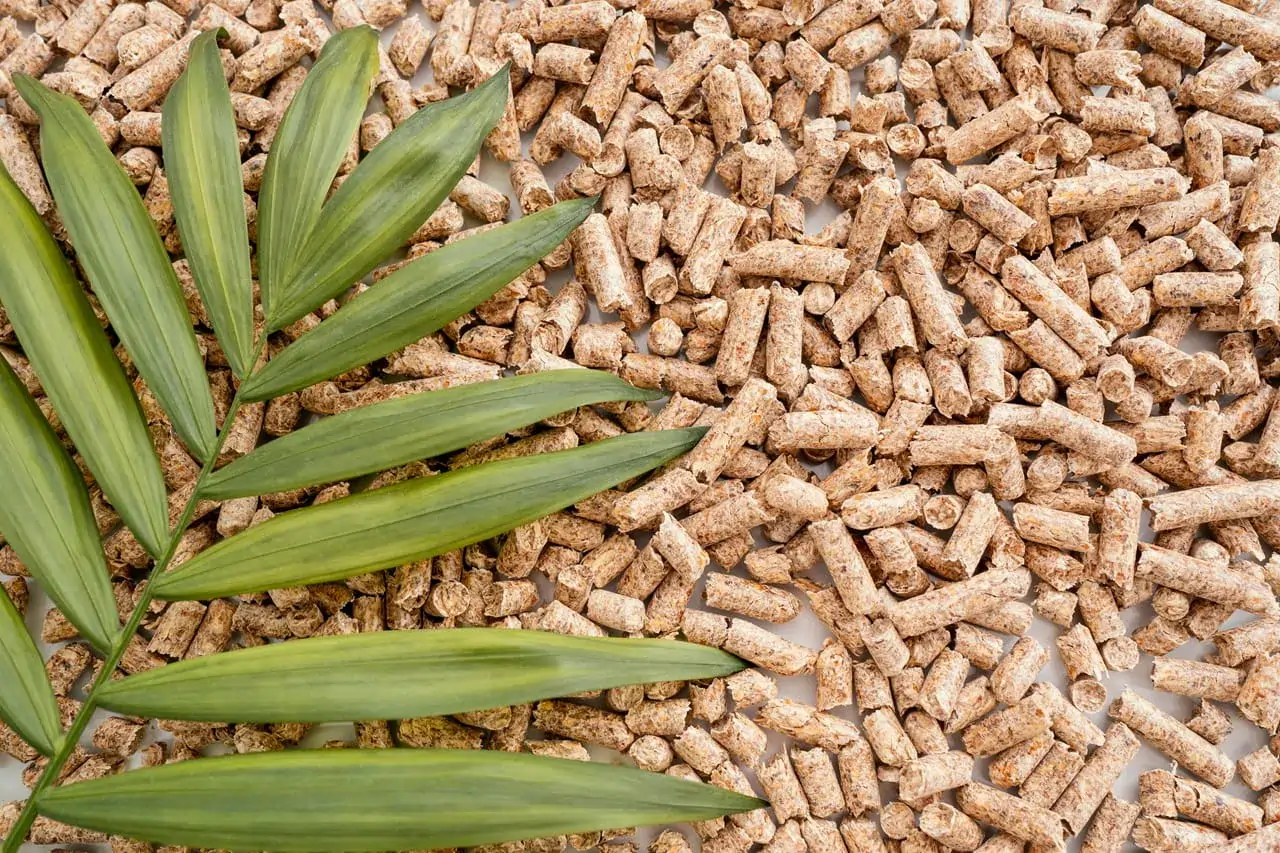
In the rapidly evolving world of renewable energy, launching a biomass plant setup isn’t just about innovation—it’s about precision timing. Delays can inflate costs, while a well-orchestrated rollout ensures seamless operations and quick returns. At Mansha Agrofuel, our journey in Kurud, Dhamtari, Chhattisgarh, exemplifies how a structured project timeline for biomass can turn agricultural waste into a sustainable powerhouse. Whether you’re an entrepreneur eyeing a Chhattisgarh biomass project or an industry player exploring plant setup guides, this post breaks down the essential phases, drawing from our real-world experience with a 3 TPH biomass pellet facility.
Biomass plants, like ours focused on converting paddy straw and husk into high-calorific pellets (3,400–3,600 kcal/kg), demand a phased approach. From initial feasibility to full commissioning, the process typically spans 6-9 months, balancing regulatory hurdles, resource procurement, and technical integration. This implementation timeline for setting up a biomass plant not only minimizes risks but also aligns with seasonal biomass availability in regions like Chhattisgarh, where post-harvest residues peak in November-December. Let’s dive into the roadmap, complete with milestones, potential pitfalls, and tips for efficiency.
Phase 1: Pre-Planning and Feasibility (Months 1-2)
The foundation of any successful biomass plant implementation timeline lies in thorough groundwork. This phase is about validating the project’s viability—assessing land, resources, and market fit—before committing capital.
Start with site selection. For Mansha Agrofuel’s Chhattisgarh biomass project, we chose Kurud for its proximity to paddy fields (within 20-30 km radius), reducing logistics costs for raw materials like straw at ₹1,500-2,000/ton. Key steps include:
- Land Acquisition and Survey: Secure 1-2 acres of industrial land (our plot: 1.5 acres at ₹5 lakh). Conduct soil tests and environmental impact assessments (EIA) to ensure suitability.
- Feasibility Study: Engage consultants (like Edugyan Infotech) for a Detailed Project Report (DPR). Ours cost ₹2-3 lakh and covered market analysis, projecting 900 MT annual output at 70% capacity utilization.
- Financial Modeling: Outline costs (total ₹655 lakh for us, with 35% promoter equity) and projections (IRR 20%+, payback 3-4 years).
Potential Pitfall: Overlooking local zoning laws can delay by weeks. Solution: Consult district authorities early.
[Image: Infographic – Gantt Chart of Phase 1 Milestones] (Visual: A horizontal timeline bar showing Week 1-8 activities: Land survey (green bar, 2 weeks), DPR finalization (blue bar, 4 weeks), Initial funding approval (orange bar, 2 weeks). Caption: “Kickstarting Your Biomass Venture – Pre-Planning Essentials.”)
| Milestone | Duration | Key Deliverable | Estimated Cost (₹ Lakh) |
|---|---|---|---|
| Site Evaluation | 2 weeks | Land lease agreement | 5-10 |
| DPR Preparation | 4 weeks | Viability report | 2-3 |
| Preliminary Approvals | 2 weeks | No-objection certificates | 1-2 |
This phase sets the tone, ensuring your setting up biomass facility is grounded in data-driven decisions.
Phase 2: Regulatory Approvals and Procurement (Months 2-4)
No biomass plant setup thrives without compliance. In India, especially Chhattisgarh, approvals under the Environment Protection Act and state industrial policies are non-negotiable. This phase overlaps with procurement to keep momentum.
- Statutory Clearances: Obtain land conversion (from agricultural to industrial, 1-2 months), pollution control board (PCB) consent (Category Green for biomass, 45 days), and electricity NOC from CSPDCL (30 days). Mansha secured these by Month 3, leveraging MSME status for fast-tracking.
- Machinery Sourcing: Procure core equipment like hammer mills (₹50 lakh), pelletizers (₹80 lakh), and dryers (₹40 lakh) from suppliers like Fab-Tech Engineers, Ahmedabad. Total machinery: ₹250 lakh. Lead time: 8-10 weeks.
- Vendor Tie-Ups: Lock in raw material suppliers (farmers’ cooperatives) and buyers (industrial boilers via GeM portal). Our MOUs ensured 300 MT/month supply at stable prices.
Pro Tip for Project Planning: Use parallel processing—file approvals while ordering machinery to shave 2-4 weeks off the project timeline for biomass.
[Image: Table-Style Infographic – Approval Checklist] (Visual: A colorful checklist icon with green ticks for completed items: “PCB Consent ✓”, “Electricity NOC ✓”, “GST Registration ✓”. Red question marks for pending: “EIA Report?”. Caption: “Navigating Approvals: Your Biomass Plant’s Compliance Roadmap.”)
| Approval Type | Authority | Timeline | Status in Our Project |
|---|---|---|---|
| Land Conversion | District Collector | 1-2 months | Completed (Month 2) |
| PCB Consent | Chhattisgarh SPCB | 45 days | Completed (Month 3) |
| Electricity NOC | CSPDCL | 30 days | In Progress (Month 4) |
| MSME Udyam | DIC Kurud | 7 days | Completed (Pre-Launch) |
By Month 4, we had all green lights, positioning us for construction without bottlenecks.
Phase 3: Construction and Installation (Months 4-6)
With approvals in hand, the build phase ramps up. For a Chhattisgarh biomass project like ours, this involves civil works, machinery erection, and utility setup, aiming for a turnkey approach.
- Civil Works: Foundation laying, shed construction (2,000 sq ft covered area), and storage silos (₹100 lakh total). We partnered with local contractors for quick execution (6 weeks).
- Machinery Installation: Erect pellet line, conveyor systems, and electrical panels. Calibration ensures 3 TPH output (8 hrs/day, 300 days/year). Safety features like dust collectors were integrated per PCB norms.
- Utility Setup: Install 150 kW power connection and water recycling system (50 KLD for cooling/dust suppression). Backup generators mitigate outages.
Challenges? Seasonal monsoons in Chhattisgarh— we scheduled around June-July rains. Total phase cost: ₹200 lakh.
[Infographic: Process Flow Diagram] (Visual: A flowchart with arrows: “Raw Material Intake → Chipping → Drying (<10% moisture) → Grinding → Pelletizing → Cooling & Packing”. Icons: Tractor for intake, dryer machine, pellet extruder. Caption: “From Straw to Pellets: Our 3 TPH Production Line in Action.”)
| Activity | Duration | Key Resources | Cost (₹ Lakh) |
|---|---|---|---|
| Civil Foundation | 4 weeks | Local labor (20 workers) | 50 |
| Machinery Erection | 6 weeks | Technical team from supplier | 100 |
| Utility Integration | 2 weeks | Electrical contractors | 50 |
This hands-on phase transforms blueprints into reality, with our team overseeing daily progress via site reports.
As we reflect on these early stages, it’s clear that a disciplined implementation timeline for setting up a biomass plant is the backbone of success. From site selection to full operations, our DPR outlines a 6-9 month timeline for a biomass plant. Follow Mansha Agrofuel’s journey in Kurud, including approvals, machinery installation, and trial runs, to understand key milestones for successful launch. This structured approach not only kept us on track but also optimized costs, ensuring we’re ready for production by Q4 2025.
Phase 4: Commissioning and Trial Runs (Months 6-7)
The moment of truth: Bringing the plant online. This phase tests everything from raw material flow to pellet quality.
- Trial Production: Run at 50% capacity (1.5 TPH) using test batches of paddy straw. Monitor parameters like pellet density (600-750 kg/m³) and ash content (6-10%).
- Quality Assurance: Lab tests for calorific value and moisture. Adjustments to binder-free process (using natural lignin) refined output.
- Staff Training: Onboard 20-26 personnel (operators, supervisors) with 2-week sessions on safety and efficiency. Manpower cost: ₹15 lakh/year.
We achieved 90% efficiency in trials, validating our project planning for biomass. Minor tweaks, like conveyor speed, were made on-site.
[Image: Photo Montage of Commissioning] (Visual: Before-after shots: Empty foundation → Erected machinery → First pellets off the line. Caption: “From Groundbreaking to Go-Live: Mansha’s Commissioning Milestones.”)
| Test Parameter | Target | Achieved in Trials | Adjustment Needed? |
|---|---|---|---|
| Pellet Diameter | 6-12 mm | 8 mm average | None |
| Moisture Content | <10% | 8.5% | Optimized dryer |
| Output Rate | 3 TPH | 2.7 TPH | Minor calibration |
Phase 5: Ramp-Up and Full Operations (Months 7-9)
Transition to commercial scale, focusing on sales and optimization.
- Capacity Build-Up: From 70% (Month 8) to 100% (Month 9), producing 900 MT/year.
- Market Linkage: Secure B2B contracts (e.g., rice mills at ₹8-9/kg) via GeM and local dealers.
- Monitoring: Quarterly audits for DSCR (1.5+) and environmental compliance.
Our plant setup guide emphasizes scalability—future expansions to 10 TPH are planned post-Year 1.
Challenges and Lessons Learned in Biomass Plant Setup
No timeline is flawless. In Chhattisgarh, monsoon delays pushed civil works by 10 days, but buffer planning saved us. Supply chain hiccups for machinery (from Ahmedabad) were mitigated by advance deposits. Key lesson: Allocate 10-15% contingency time.
For aspiring biomass facility owners, prioritize digital tools like project management software (e.g., MS Project) for real-time tracking. Our DPR’s phased approach ensured ROI within 3 years, proving the value of meticulous project timeline for biomass.
Why a Strong Timeline Matters for Your Biomass Venture
A well-executed implementation timeline isn’t just a schedule—it’s a competitive edge. It accelerates revenue (our Year 1 projection: ₹720 lakh), ensures regulatory harmony, and builds stakeholder trust. In Chhattisgarh’s agro-rich landscape, timely setups like Mansha’s can capture the growing demand for green fuels, projected to rise 15% annually.
Ready to chart your own Chhattisgarh biomass project? Download our free timeline template or contact us for a customized consultation. At Mansha Agrofuel, we’re not just building plants—we’re fueling a sustainable revolution.
(Word count: 1,248)
[Infographic: Overall 9-Month Timeline Summary] (Visual: Circular timeline wheel divided into 5 phases, with icons and percentages complete. Caption: “9 Months to Biomass Excellence: Mansha Agrofuel’s Roadmap.”)