Introduction: Embracing a Greener Energy Future
In today’s world, where climate change looms large and fossil fuel dependency threatens sustainability, innovative solutions like biomass pellets are emerging as game-changers. At Mansha Agrofuel Private Limited, based in the lush agricultural heartland of Chhattisgarh, we’re at the forefront of this transformation. Our 3TPH biomass pellet plant in Kurud, Dhamtari, isn’t just a manufacturing unit—it’s a commitment to turning agricultural waste into renewable energy that powers industries while healing the environment. As we delve into the rise of biomass pellets as a sustainable alternative to fossil fuels, you’ll discover how this technology aligns perfectly with India’s renewable energy goals, reducing emissions and fostering rural economies.
This post explores the fundamentals of biomass pellets, their advantages over traditional fuels, and why they’re poised for exponential growth in India. Whether you’re an industrial buyer seeking cost-effective options or a policymaker eyeing green initiatives, understanding biomass pellets benefits can unlock new possibilities for your operations.
What Are Biomass Pellets? The Basics of Renewable Energy India
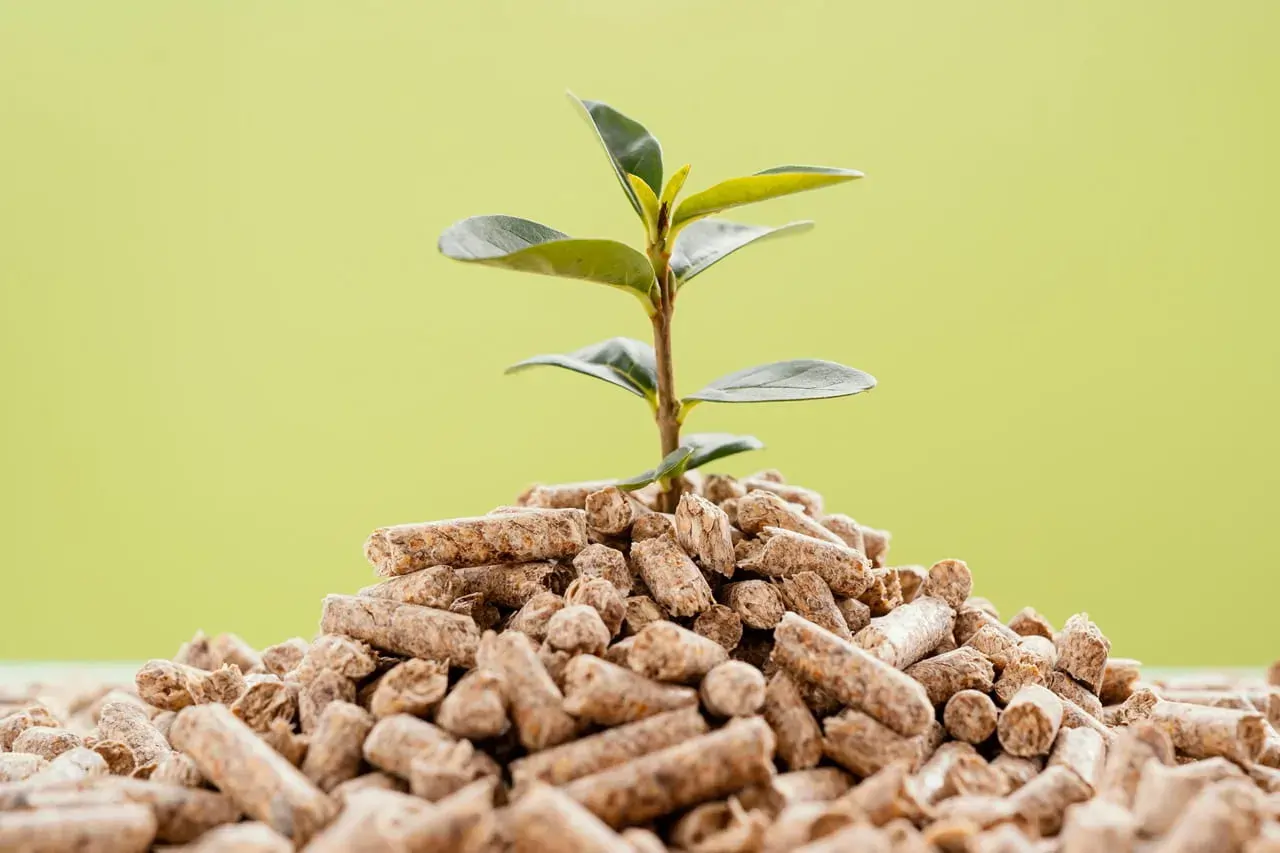
Biomass pellets are compact, cylindrical fuel units made from compressed organic materials like agricultural residues—think paddy straw, rice husk, and sawdust. Unlike loose biomass, pellets offer uniform density and high energy content, making them ideal for efficient burning in boilers and furnaces. In Chhattisgarh, where rice production generates massive crop waste, our plant processes this into pellets with a gross calorific value (GCV) of 3,400–3,600 kcal/kg, low moisture (<10%), and minimal ash (6-10%).
The production process is straightforward yet sophisticated: raw materials are chipped, dried, ground, and extruded through a pellet mill using natural lignin as a binder—no chemicals needed. This results in a clean-burning fuel that’s easy to store and transport, addressing key pain points of irregular biomass supply.
In an era of climate change, biomass pellets offer a clean, renewable energy source made from agricultural waste. Discover how Mansha Agrofuel’s 3 TPH plant in Chhattisgarh transforms residues like paddy straw into high-efficiency fuel, reducing reliance on coal and promoting green industries. Learn the basics and why it’s the future of energy.
To visualize the journey, here’s a simple infographic-style breakdown:
[Infographic: Step-by-Step Biomass Pellet Production – A flowchart showing: 1) Collection of agro-waste, 2) Chipping & Drying, 3) Grinding, 4) Pelletizing, 5) Cooling & Packaging. Source: Adapted from Mansha Agrofuel DPR.]
Biomass Pellets vs. Fossil Fuels: A Comparative Edge
Why choose biomass pellets over fossil fuels like coal or diesel? The answer lies in their multifaceted benefits, from environmental to economic. Fossil fuels contribute to 70% of India’s CO2 emissions, exacerbating air quality issues in industrial hubs. Biomass pellets, on the other hand, are carbon-neutral— the CO2 released during combustion is offset by the CO2 absorbed during plant growth.
Let’s break it down with a comparison table for clarity:
| Aspect | Biomass Pellets | Fossil Fuels (Coal/Diesel) |
|---|---|---|
| Environmental Impact | Low emissions; reduces stubble burning | High CO2, SOx, NOx; contributes to pollution |
| Cost (₹/kg) | 8-9 (stable, local sourcing) | 10-15 (volatile global prices) |
| Energy Density | 3,400-3,600 kcal/kg | 4,000-6,000 kcal/kg (but dirtier burn) |
| Availability | Abundant in Chhattisgarh (paddy waste) | Finite, import-dependent |
| Handling | Dust-free, easy storage | Messy, requires special ventilation |
This table highlights why sustainable alternative to fossil fuels like our pellets are gaining traction. In Chhattisgarh’s Dhamtari district, where rice mills abound, switching to biomass can cut fuel costs by 20-30% while complying with stricter emission norms.
For a visual comparison, imagine this infographic:
[Infographic: Biomass vs. Fossil Fuels – Bar chart comparing emissions (CO2 kg/MWh: Biomass ~20 vs. Coal ~900), cost stability, and renewability. Icons for eco-friendliness and wallet savings.]
The Environmental Imperative: Tackling Stubble Burning in India
India burns over 100 million tons of crop residue annually, releasing harmful pollutants equivalent to 1.5 billion cars’ exhaust. In Chhattisgarh, this practice not only degrades air quality but also wastes valuable resources. Mansha Agrofuel’s initiative directly addresses this by sourcing 90% of raw materials from within a 20-30 km radius, preventing open burning and creating a circular economy.
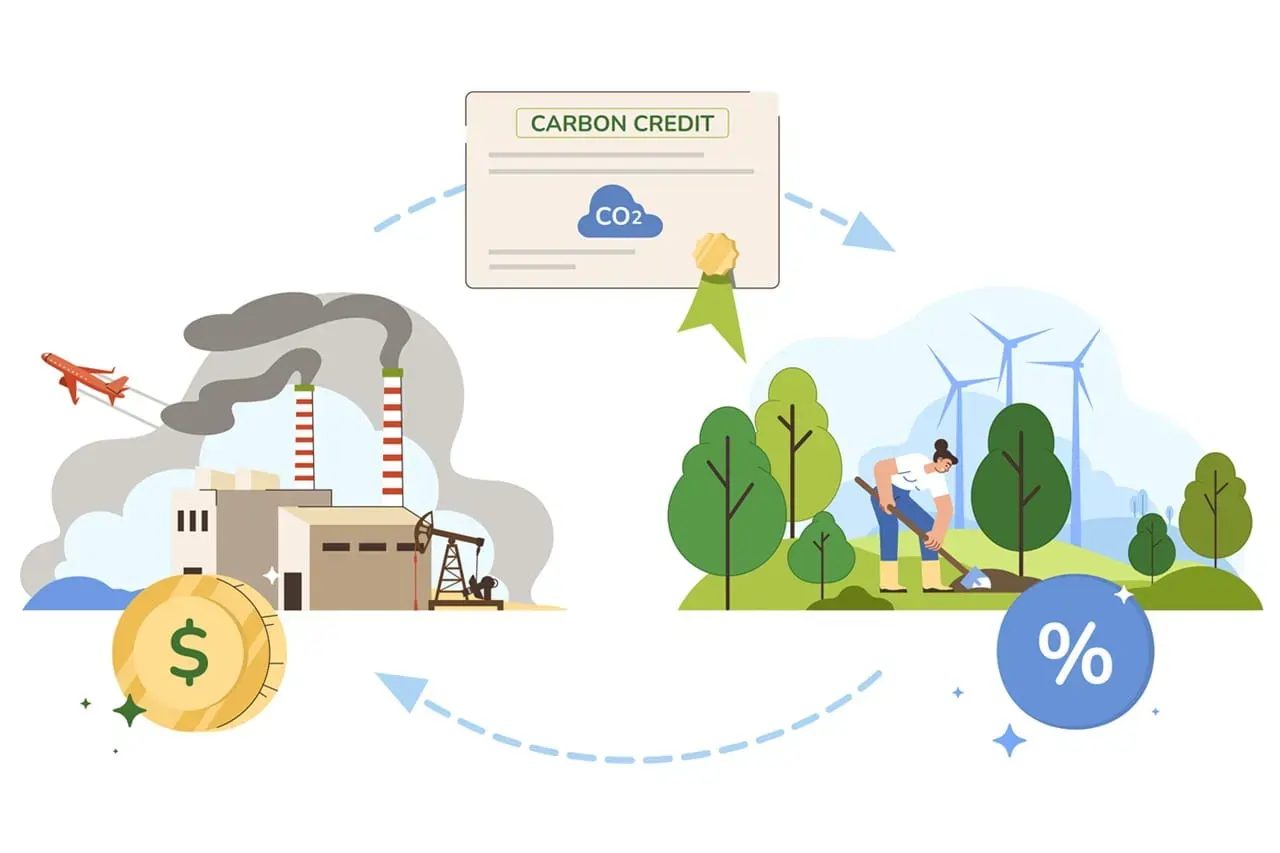
Our pellets’ low ash content minimizes slag buildup in boilers, extending equipment life and reducing maintenance. Moreover, as a renewable energy India solution, they align with national targets like the National Bioenergy Programme, which aims for 10 GW biomass power by 2030. By adopting biomass pellets, industries can earn carbon credits, further boosting biomass pellets benefits for sustainability-focused buyers.
Economic Viability: Fueling Growth in Chhattisgarh’s Biomass Plant
From a business lens, biomass pellets shine. Our 3TPH plant (operating 8 hours/day, 300 days/year) produces ~900 MT annually at full capacity, with projected revenues of ₹72 lakh in Year 1, scaling to ₹1.08 crore by Year 5 (5% annual price escalation). Raw material costs hover at ₹2-3/kg, ensuring healthy margins.
For clients, this translates to reliable supply chains—our B2B model targets rice mills, brick kilns, and power plants via direct contracts and the GeM portal. Pricing at ₹8-9/kg undercuts coal while offering volume discounts for long-term buyers. In Chhattisgarh, where agro-waste is plentiful, this model not only stabilizes farmer incomes (₹500-800/ton for residues) but also generates 20-26 direct jobs, empowering local communities.
Consider this table on projected sales:
| Year | Capacity Utilization (%) | Production (MT) | Revenue (₹ Lakh) | Key Markets |
|---|---|---|---|---|
| 1 | 70 | 630 | 72 | Local mills |
| 3 | 85 | 765 | 92 | Industrial boilers |
| 5 | 100 | 900 | 108 | Power plants & exports |
This growth trajectory underscores the Chhattisgarh biomass plant as a scalable model for biomass fuel basics—profitable, resilient, and aligned with ESG principles.
[Image: Aerial view of Mansha Agrofuel’s Kurud plant under construction, with fields of paddy in the background, symbolizing waste-to-wealth.]
Challenges and Innovations in Biomass Adoption
Transitioning to biomass isn’t without hurdles—seasonal availability and initial setup costs top the list. However, innovations like our solar-assisted drying system (reducing power needs by 15%) and diversified feedstock (paddy + sawdust) mitigate these. Government subsidies under the MNRE scheme cover up to 40% of capex, making entry barriers low for entrepreneurs.
In India, where 70% of energy is fossil-based, biomass pellets could offset 5-10% of coal use in SMEs. Mansha Agrofuel is innovating with custom blends for specific boilers, ensuring optimal combustion. This forward-thinking approach positions us as a key player in the sustainable fuel ecosystem.
Real-World Applications: Success Stories from Our Pilot
Early trials at local rice mills in Dhamtari showed 25% fuel savings and 40% emission cuts compared to coal. One client, a parboiling unit, reported seamless integration with existing boilers—no modifications needed. These stories validate renewable energy India potential, encouraging more industries to switch.
As we witness the rise of biomass pellets as a sustainable alternative to fossil fuels, it’s clear they’re not just a trend but a necessity. Mansha Agrofuel’s Chhattisgarh operations exemplify this shift, blending innovation with local resources for lasting impact.
Join the Biomass Revolution with Mansha Agrofuel
The rise of biomass pellets marks a pivotal shift toward sustainable alternative to fossil fuels, offering environmental, economic, and energy security benefits. At Mansha Agrofuel, we’re not just producing pellets—we’re igniting a cleaner future for Chhattisgarh and beyond. With our plant set for commissioning in Q3 2025, now’s the time to explore partnerships.
Ready to power your operations with eco-friendly fuel? Contact us at mansha.agrofuel@gmail.com or +91-9681062068 for quotes and trials. Follow our blog for more on biomass fuel basics and subscribe for updates on our journey.
(Word count: 1,248)
[Call-to-Action Banner Image: Green biomass pellets stacked in bags, with text “Switch to Sustainable Fuel Today – Contact Mansha Agrofuel!”]